
On this page
Polo shirt fabrics for wholesale collections.
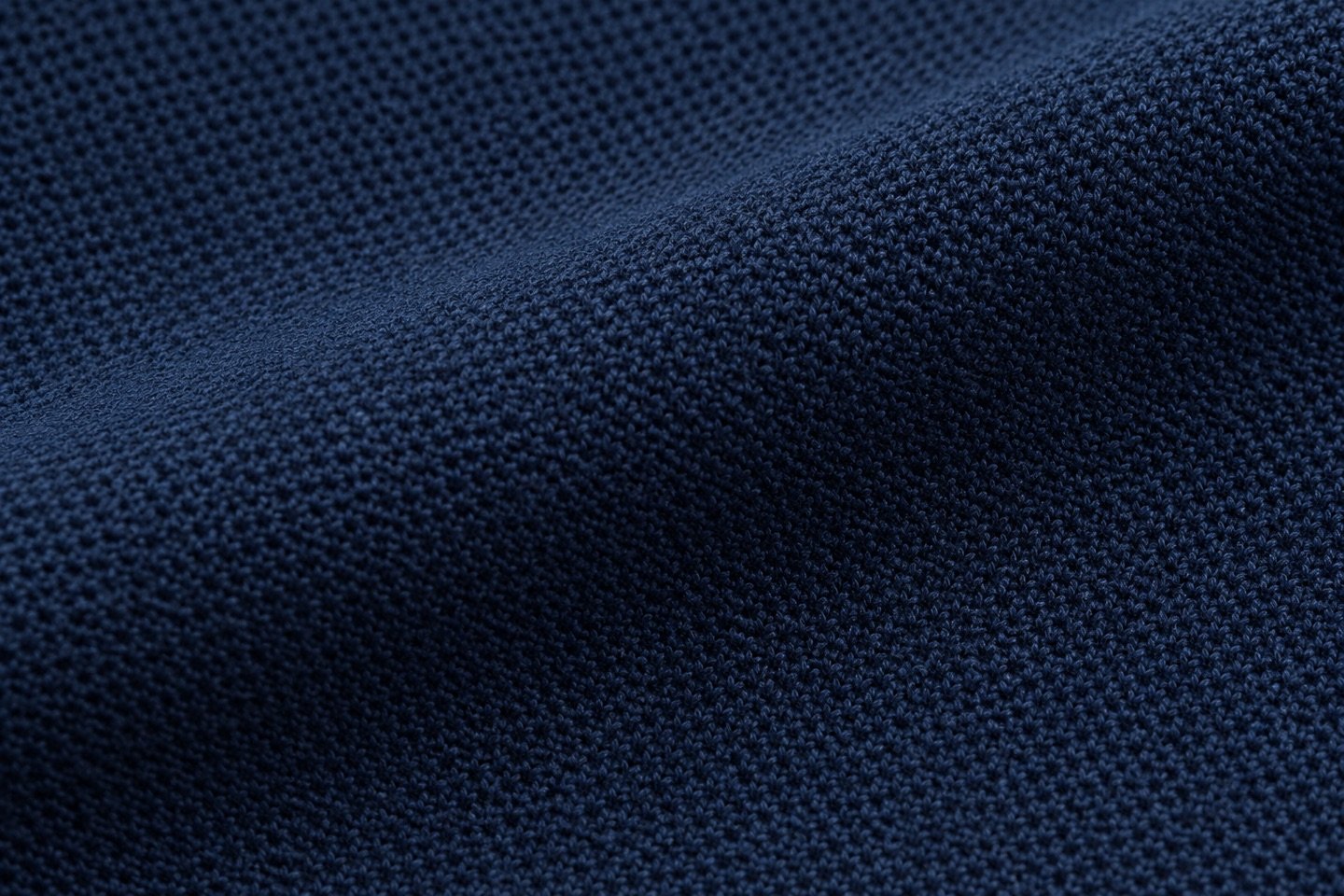
Polo shirt fabrics should be selected for the required texture, garment shape, decoration and finished care performance. Piqué is a useful starting point when a polo shirt brief calls for a textured knitted surface. The particular construction, yarn blend, weight and finish determine the final appearance and handle. Send a reference fabric when the surface texture is important to matching an existing range.
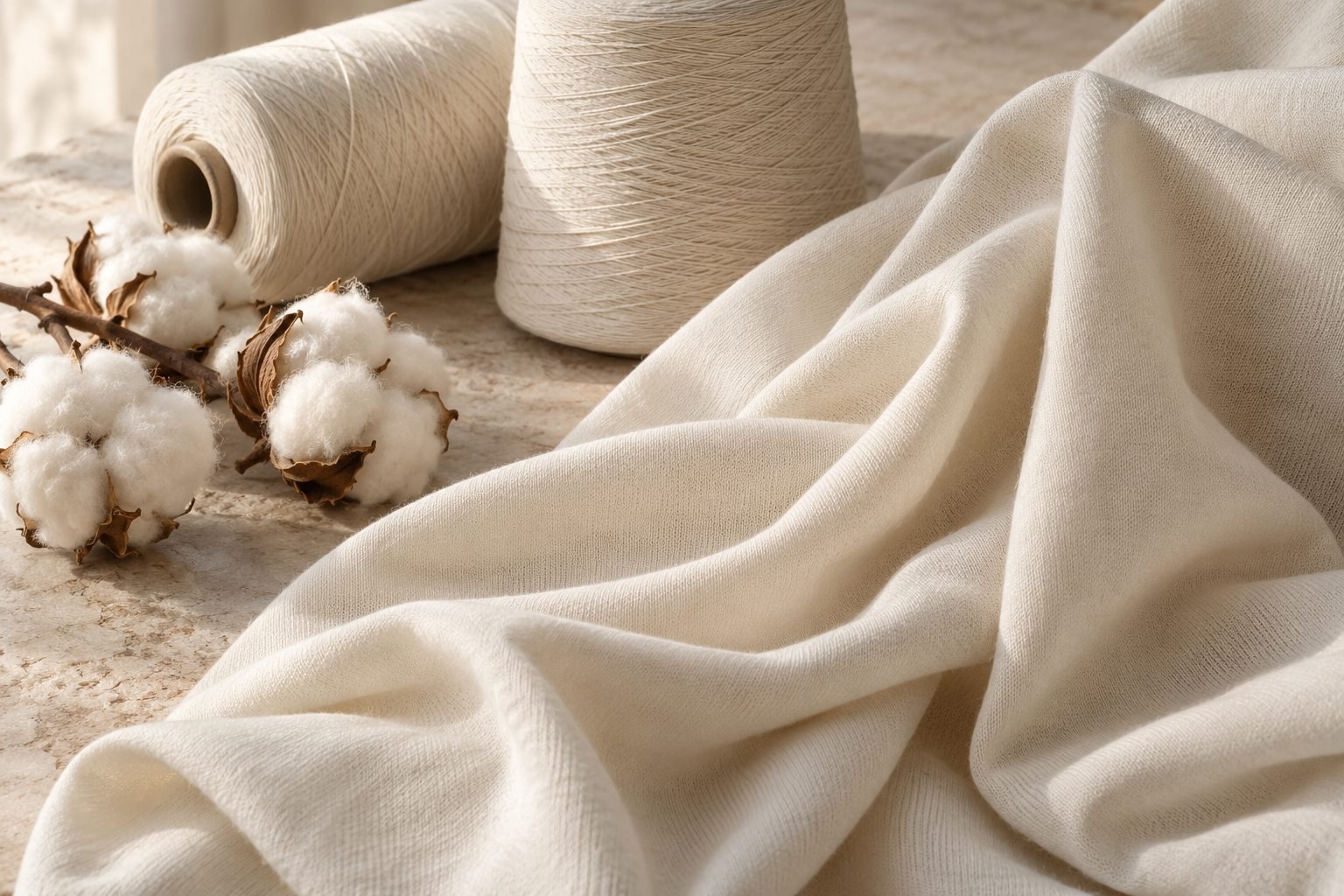
For cotton or blended piqué, state the finished GSM, usable width, care expectations and any stretch requirement. Workwear or uniform briefs may have specific durability and colour expectations; identify those requirements with the relevant testing criteria before sampling.
The garment-to-fabric brief.
| Specification | What to confirm for your order |
|---|---|
| Texture | Provide a reference for the required piqué surface. |
| Composition | State the exact cotton or blended-fibre specification. |
| Weight and width | Specify finished GSM and usable width for cutting. |
| Coordinated parts | Include collar and cuff sourcing or matching requirements for review. |
| Colour programme | List colour references, quantity per colour and repeat-order expectations. |
Prepare for bulk garment manufacturing.
Review colour, handle and dimensional stability on a physical sample. If matching collars or cuffs are part of the programme, confirm their sourcing scope and evaluate the components together before bulk production. Do not assume that a body-fabric approval also approves every trim.
For recurring uniforms or core polo collections, retain a reference and define repeat colour expectations. The production proposal should state the agreed fabric specification, minimum quantities and delivery scope.
Relevant fabric choices.
Before you confirm your fabric order.
For polo shirt fabrics, send a physical reference if matching an existing texture is important. Confirm the construction, composition, finished GSM and usable width rather than relying on the word pique alone. Ask your garment team to identify the dimensional stability and appearance checks needed before bulk approval.
Repeat polo shirt fabrics may need coordinated collars, cuffs and body material. Clarify which components are included in the fabric enquiry and review their colour together during sampling. Break the order down by shade, state the decoration requirements and provide the planned delivery destination and release schedule.
For testing terminology, consult the AATCC testing and standards resources. Agree the actual methods and acceptance criteria for your fabric with the supplier.
Polo shirt fabrics: what should the brief include?
Describe the intended surface texture and the garment weight. Pique is a common starting point, but the final choice should follow the actual garment brief. Include the fibre composition, finished width and finishing direction when requesting samples.
How should you approve polo shirt fabrics?
Review the body fabric with any matching collar or cuff requirements. Compare the approved shade, handle and dimensional stability under the agreed wash procedure. Keep the selected article and component references together so later orders can refer to the same development.
Turn garment requirements into a fabric enquiry
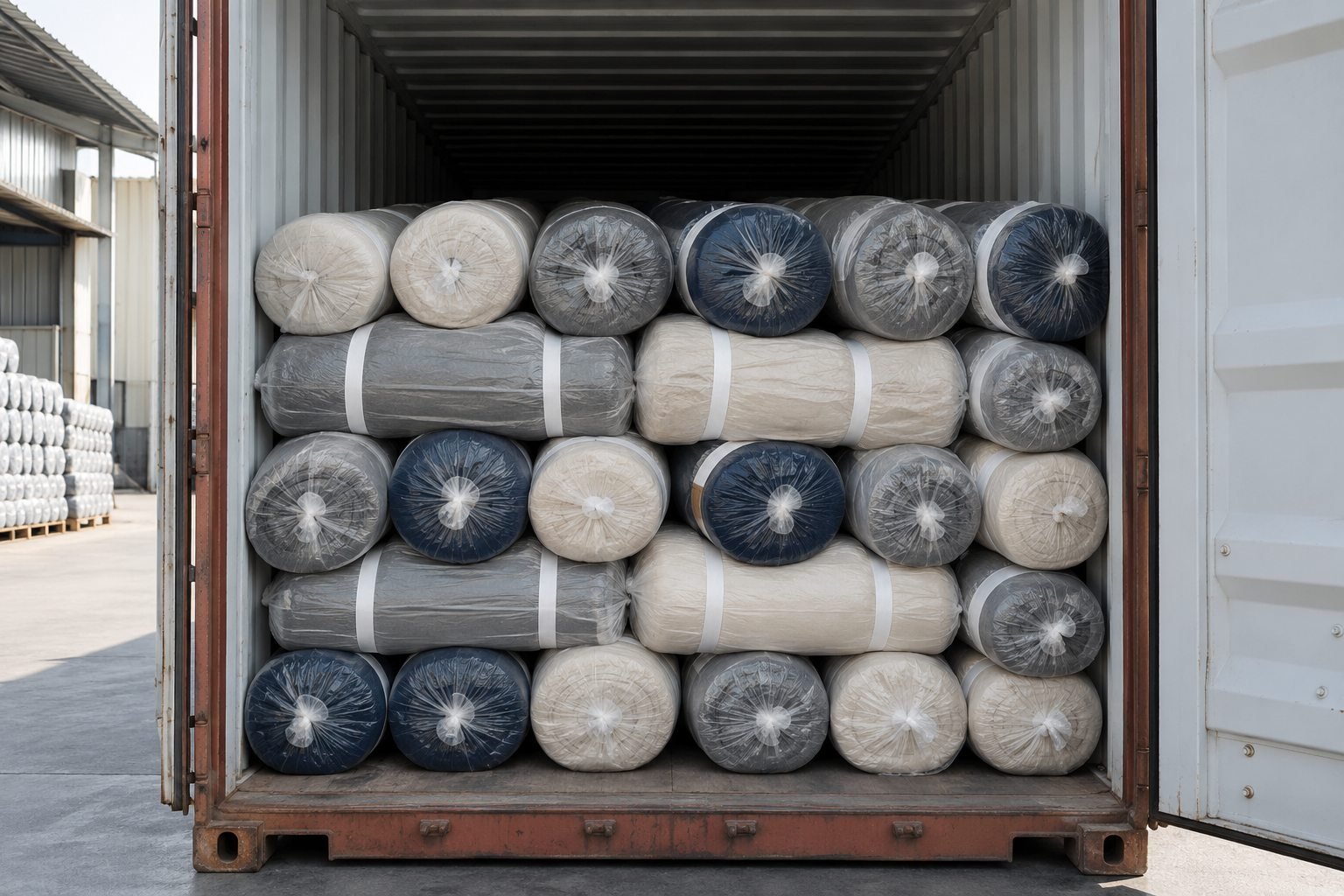
Give quantities in the unit your buying team uses and explain any consumption assumptions. Separate each colour and material component. Share the first required delivery and whether the programme involves repeat releases. This allows sampling and quotation requirements to be discussed against a practical purchasing schedule.
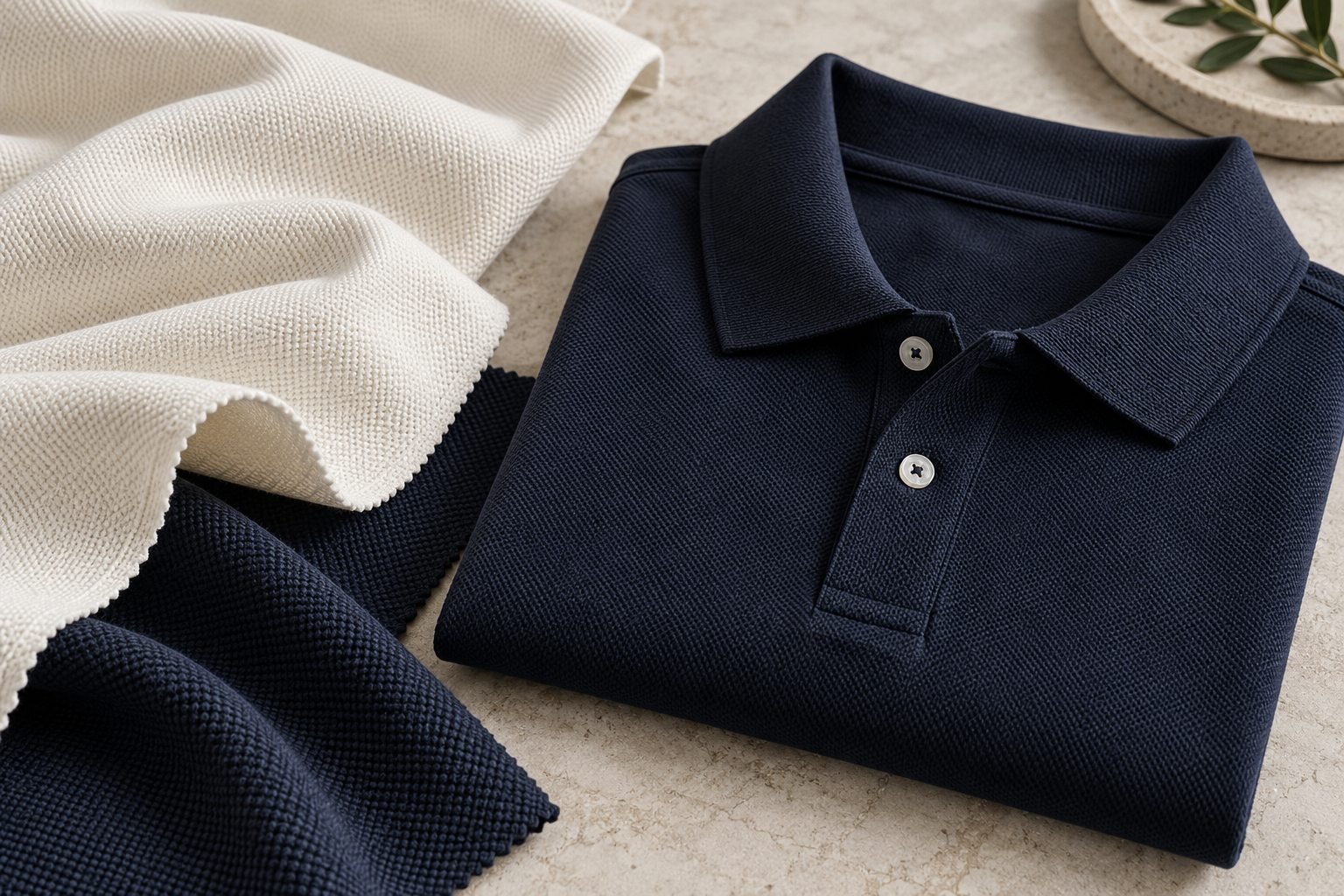
Illustrative fabric and industry references. Approve physical samples and order-specific specifications.
Plan your next bulk fabric order.
Send your fabric specification, quantity by colour and destination. We will review sampling, production and delivery requirements.