
On this page
Cotton elastane fabric for stretch apparel.
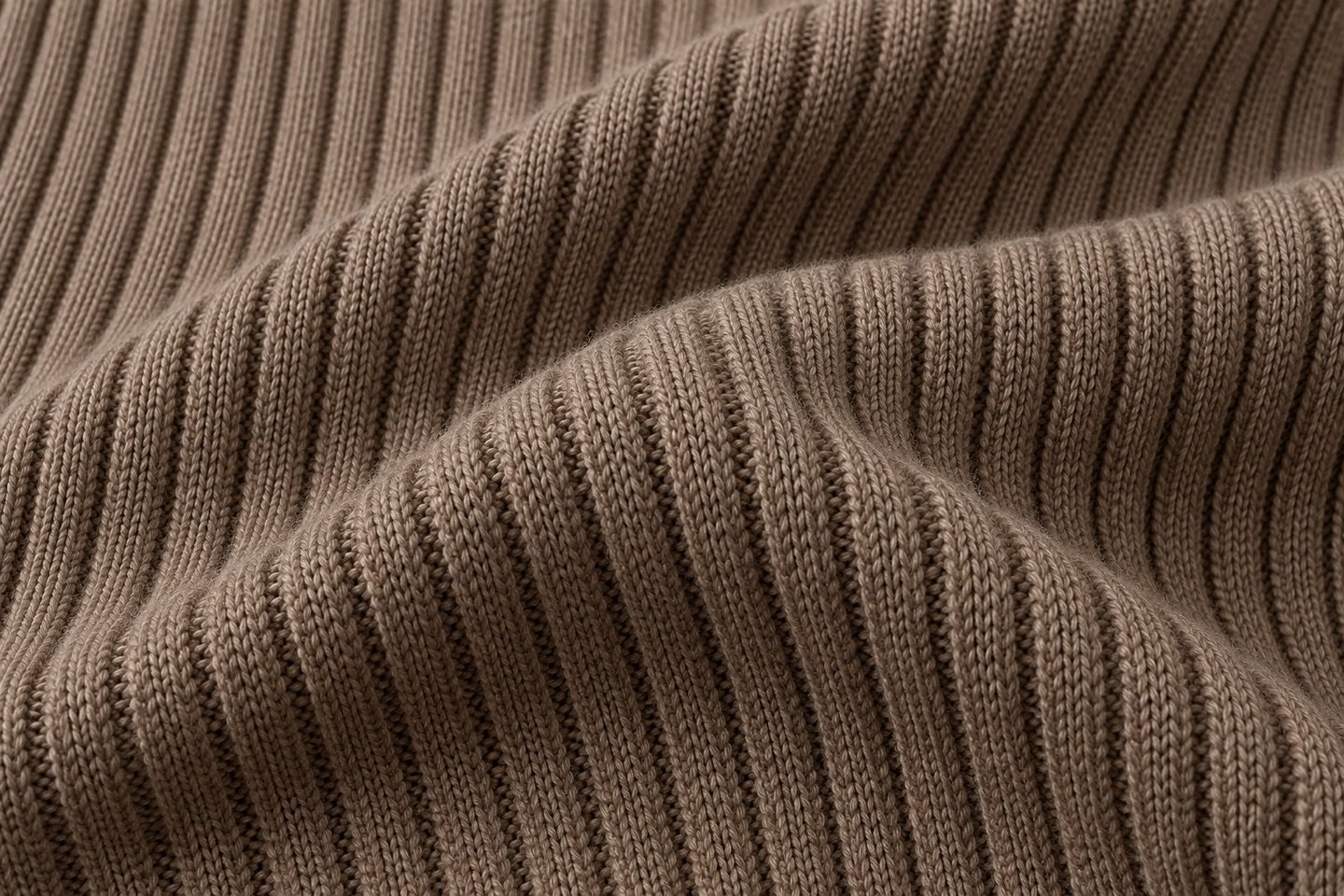
Cotton elastane fabric sourcing should define the blend ratio and construction as well as the stretch and recovery your garment needs. Cotton/elastane combines a cotton-based fabric brief with stretch supplied by elastane. The result depends on the construction, blend ratio and finishing route. Single jersey, interlock and rib should be evaluated individually rather than treated as interchangeable stretch fabrics.
Share the garment use and the direction of stretch you need. A percentage of elastane does not, on its own, specify stretch or recovery performance. Where these properties matter, identify the test method, conditions and acceptance criteria you want the sample and bulk fabric to meet.
Your material brief.
| Specification | What to confirm for your order |
|---|---|
| Fibre blend | State the cotton/elastane percentages requested, or send a reference for evaluation. |
| Stretch and recovery | Define directions, test conditions and the intended garment fit. |
| Finished dimensions | Specify usable width and finished GSM after the agreed processing. |
| Related components | For cuffs or neck ribs, request colour and handle matching to the body fabric. |
| Production brief | Include colour quantities, sample needs and the delivery window. |
Approve the sample and the supply scope.
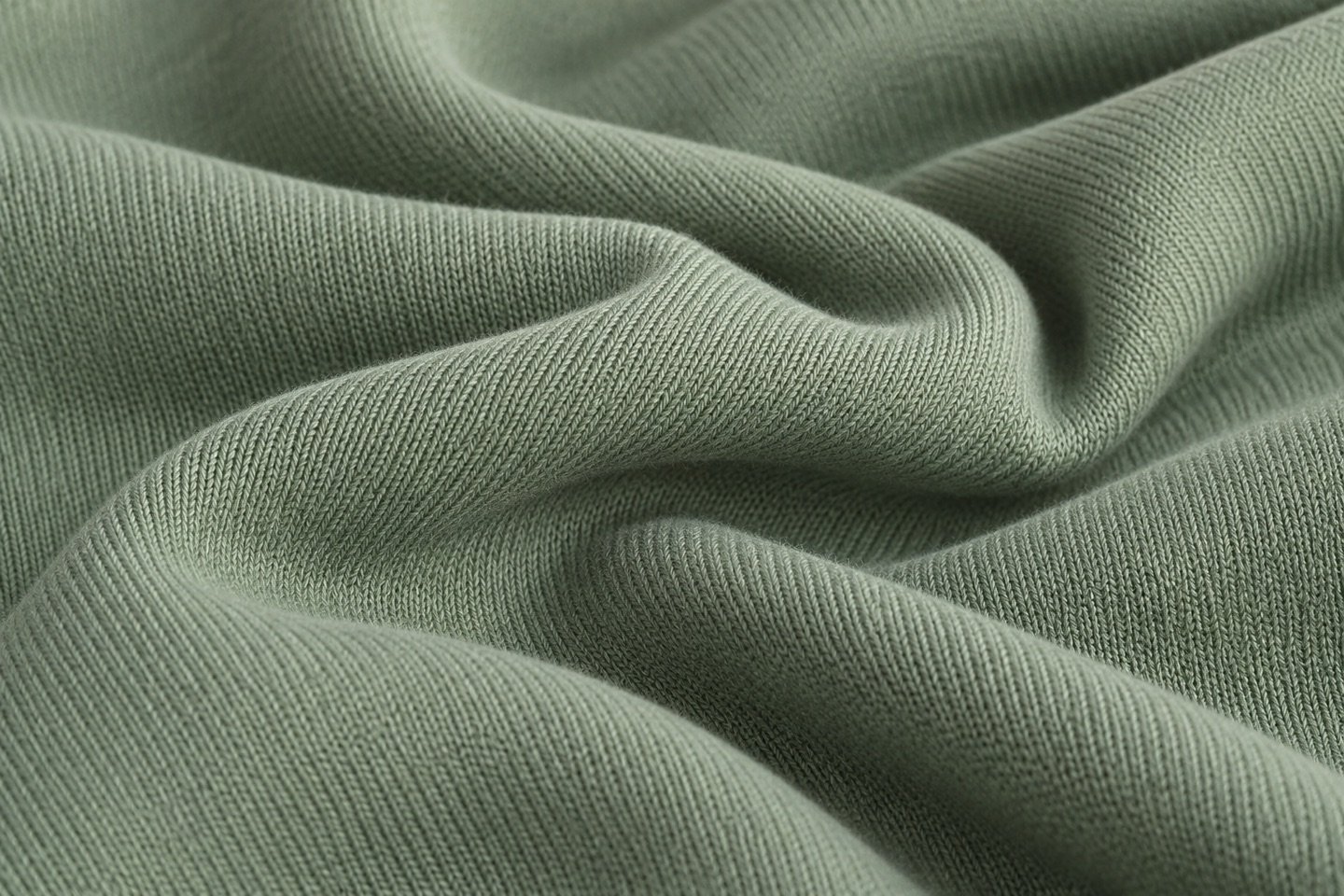
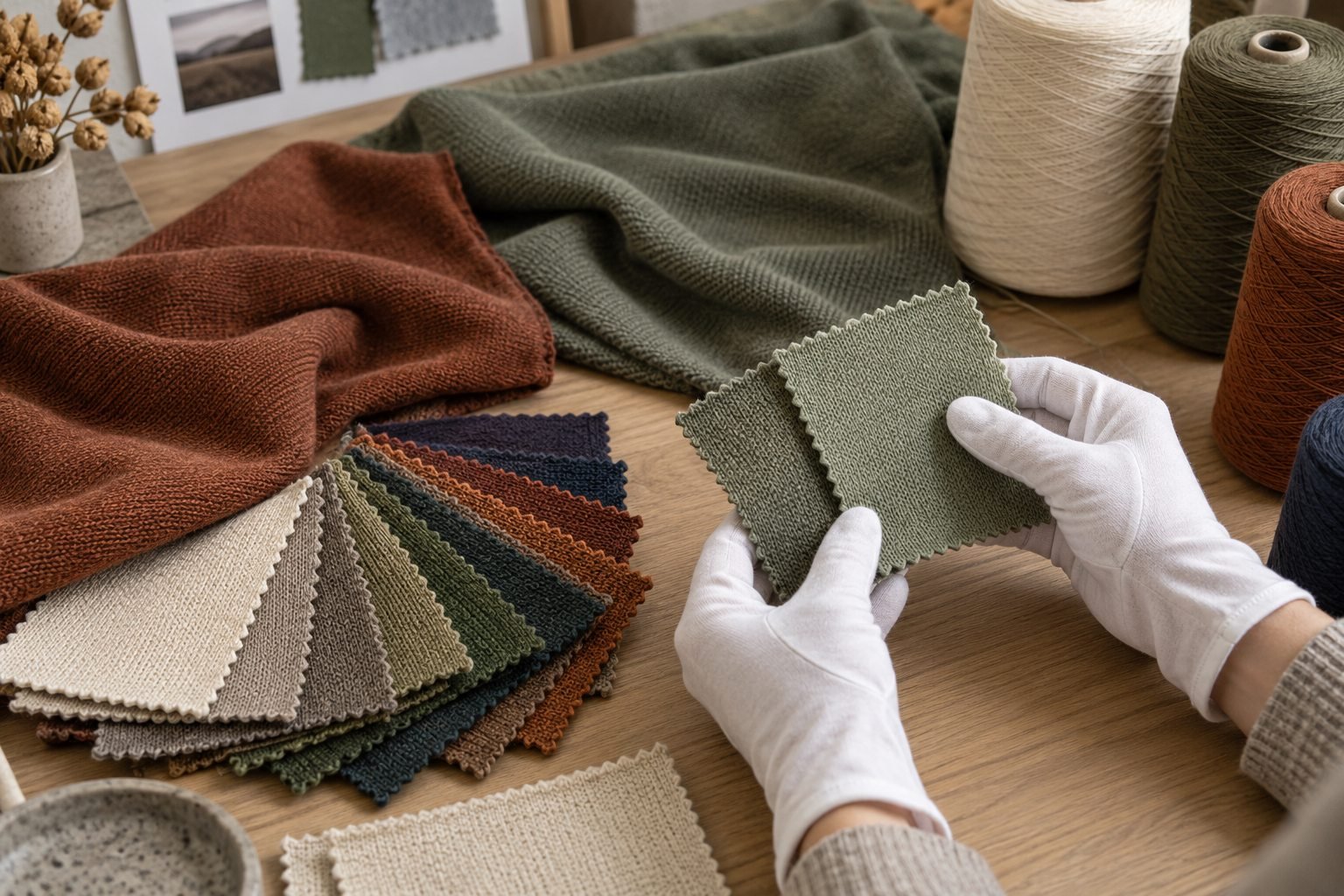
Approve both appearance and performance when selecting a stretch fabric. Review the surface, handle, opacity and response after the intended care process. For matching body and rib fabrics, assess them together under agreed viewing conditions and confirm the relationship between their weights and stretch.
Bulk quantities, colour minimums, achievable specifications and lead times are reviewed for each order. Use the quotation brief to record the approved sample reference and the tolerances that matter to your garment production.
Continue your fabric selection.
Before you confirm your fabric order.
Review cotton elastane fabric against the intended fit and finished garment measurements. Tell us the required stretch direction and how recovery will be assessed. The blend percentage alone does not establish these properties, so the approved physical sample and agreed tests should remain part of the purchasing specification.
For repeat cotton elastane fabric supply, keep composition, construction, usable width and finishing requirements linked to the same article reference. Include any decoration or care process planned by the garment factory. If different panels or trims must work together, send those requirements as a coordinated brief and state the quantity for each component and colour.
For material-claim background, see Textile Exchange standards. Confirm which current standard and documentation apply to the material you request.
Cotton elastane fabric: specification questions
Specify both the cotton and elastane percentages and describe the direction of stretch required for the garment. The construction and finishing route also influence how the finished article behaves, so use a sample to review the proposed combination.
Approving cotton elastane fabric for your collection
Check recovery as well as the initial extension. Evaluate the intended garment fit, opacity where relevant and the agreed wash performance. Keep those requirements with the approved composition, finished weight and usable width.
Planning bulk and repeat requirements
Separate quantities by colour and article, and identify the first order independently from any later forecast. Include the delivery destination and the sampling stage you have reached. If you are comparing alternative materials, request quotations against the same finished requirements so differences in composition, processing and delivery scope remain visible to your team.
Illustrative fabric and industry references. Approve physical samples and order-specific specifications.
Plan your next bulk fabric order.
Send your fabric specification, quantity by colour and destination. We will review sampling, production and delivery requirements.