
On this page
Custom fabric development from a measurable brief.
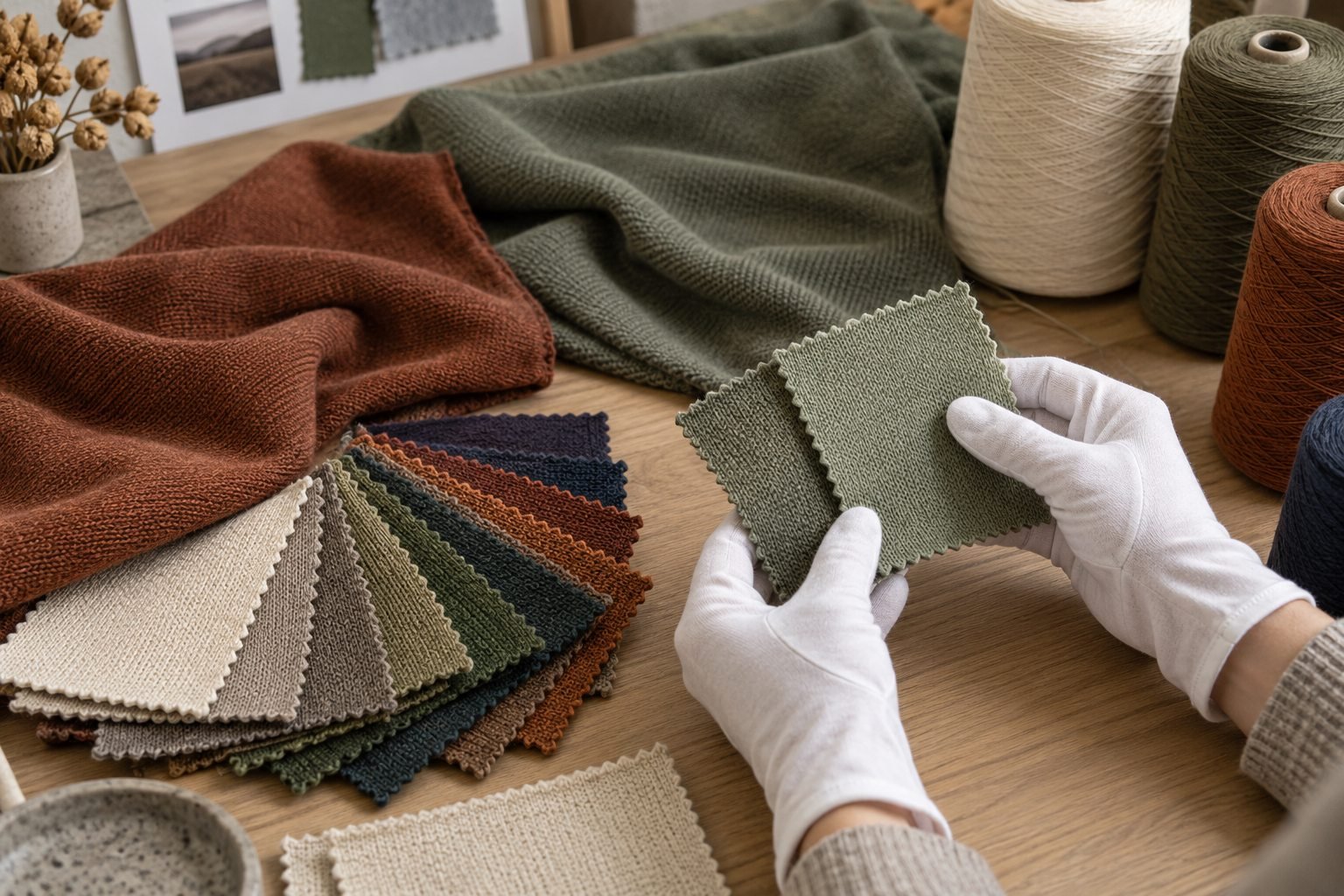
Custom fabric development starts with the intended garment and a measurable specification. Share a physical reference where possible, or send photographs with the composition, finished GSM, usable width and desired handle. A photograph can guide the conversation but cannot establish the exact structure, composition or performance of a fabric.
Fago Textile reviews your brief against its core knit collection and proposed material and processing route. Describe the quantities, colours and repeat demand at the start so that development choices fit the intended bulk programme. Special constructions and finishes require a feasibility review before they can be offered.
Four approval points.
| Specification | What to confirm for your order |
|---|---|
| 1 · Technical review | Identify construction, fibre composition, finished dimensions and performance requirements. |
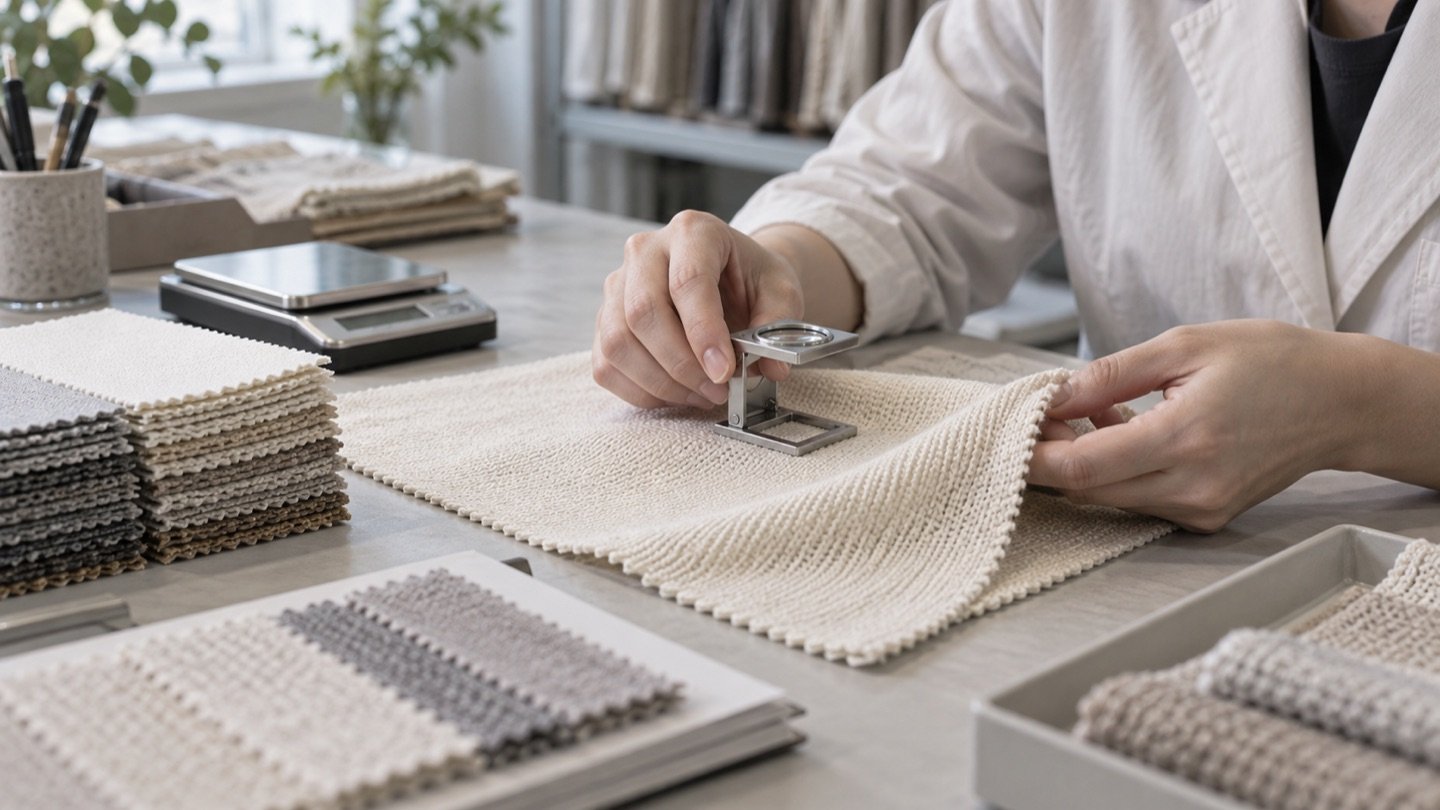
| 2 · Development sample | Review the fabric surface, reverse, handle, stretch and relevant test results. |
| 3 · Colour or print approval | Agree a lab dip, print strike-off or other reference appropriate to the process. |
| 4 · Bulk specification | Record approved references, tolerances, quantities, quality checks and the production schedule. |
Make repeat production easier to specify.
Keep the approved reference and specification linked to a product code. Record any changes in material, construction, colour or finish and agree whether they require a new sample. For an ongoing range, separate your forecast demand from released purchase quantities and set a review point before each production run.
Sampling costs, minimums and lead times depend on the development work and production route. These are confirmed with the proposal. If you need specialist testing or customer-specific documentation, include it in the first enquiry so it can be considered before sample approval.
Build the development brief.
Before you confirm your fabric order.
For custom fabric development, describe which features of the reference are essential and which can change. A target price, a particular handle and a finished performance requirement may lead to different sampling discussions. State the intended garment, requested volume and any certification or testing requirements before the sample is developed.
Keep a version record during custom fabric development. Note changes to composition, weight, width, colour and finish, and identify who approves each step. Once a reference is accepted, use its article and version details in the bulk enquiry. This reduces uncertainty when several samples or colour trials are being considered at the same time.
For testing terminology, consult the AATCC testing and standards resources. Agree the actual methods and acceptance criteria for your fabric with the supplier.
Custom fabric development: make sample feedback actionable
When you review a development sample, separate visual comments from measurable requirements. Identify the face, surface texture and drape you want to retain, then record changes to composition, weight, width or finish. Where a reference swatch is available, label it clearly and explain whether it is an exact target or a direction for the discussion.
Control the approved version
Custom fabric development can involve more than one sample stage. Give each version an article reference and keep a short record of the requested changes. Before bulk release, confirm which sample and written specification are approved and which tests remain outstanding. Repeat orders should refer to that approved version so a development variation is not mistaken for the final production target.
Illustrative fabric and industry references. Approve physical samples and order-specific specifications.
Send your reference fabric brief.
Send your fabric specification, quantity by colour and destination. We will review sampling, production and delivery requirements.