
On this page
Hoodie and sweatshirt fabrics for bulk orders.
Choose hoodie and sweatshirt fabrics by defining the required reverse surface, finished weight and matching trim programme. Begin a sweatshirt fabric brief by identifying the reverse surface you need. French terry has a looped reverse; a brushed sweatshirt fleece brief requires a raised, softer reverse surface. Specify the intended construction and finish together rather than relying on the word “fleece” alone.
Two-thread and three-thread constructions should be reviewed against the garment, weight and required handle. Send a reference sample if you need a particular loop appearance, body or brushing effect. Sweatshirt fleece and polyester polar fleece are different fabric briefs and should be identified clearly in the enquiry.
The garment-to-fabric brief.
| Specification | What to confirm for your order |
|---|---|
| Surface and reverse | State loopback, unbrushed or brushed finish and provide a reference if possible. |
| Material | Confirm the fibre blend and finished GSM. |
| Matching rib | Include cuff, waistband and neck-rib quantities with colour matching requirements. |
| Quality checks | Agree shrinkage, pilling, surface appearance and colour requirements. |
| Supply programme | Break the quantity down by fabric, colour and garment component. |
Prepare for bulk garment manufacturing.
For coordinated collections, evaluate the body fabric and rib together. Their weights, stretch and colours need to work with the garment pattern. Record separate specifications for each component and approve them under the same colour-viewing conditions.
Bulk production planning should include the sample approval date and whether the order is a single delivery or part of a recurring programme. Minimums, achievable weight and width, and finishing feasibility are confirmed for the selected fabric.
Relevant fabric choices.
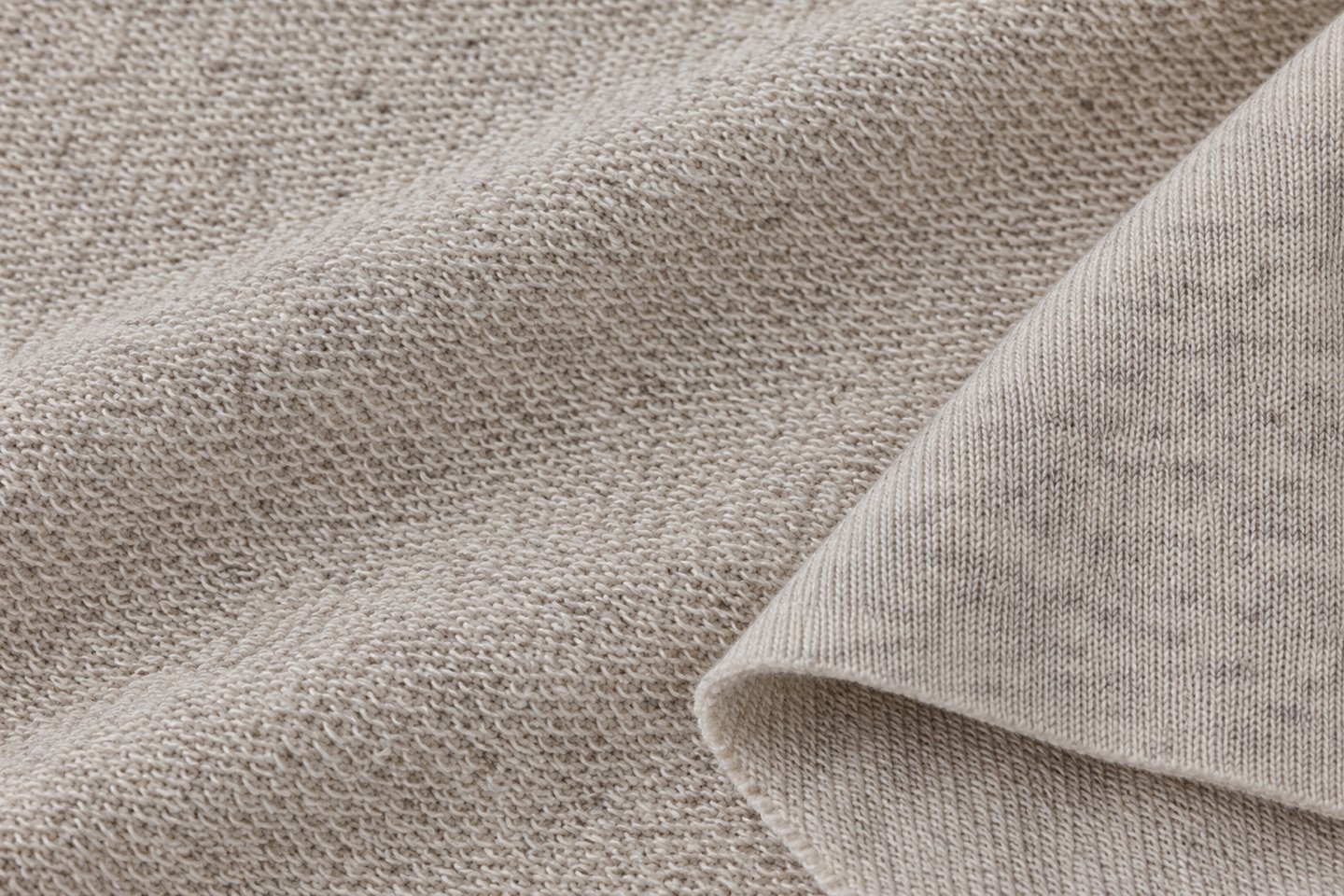
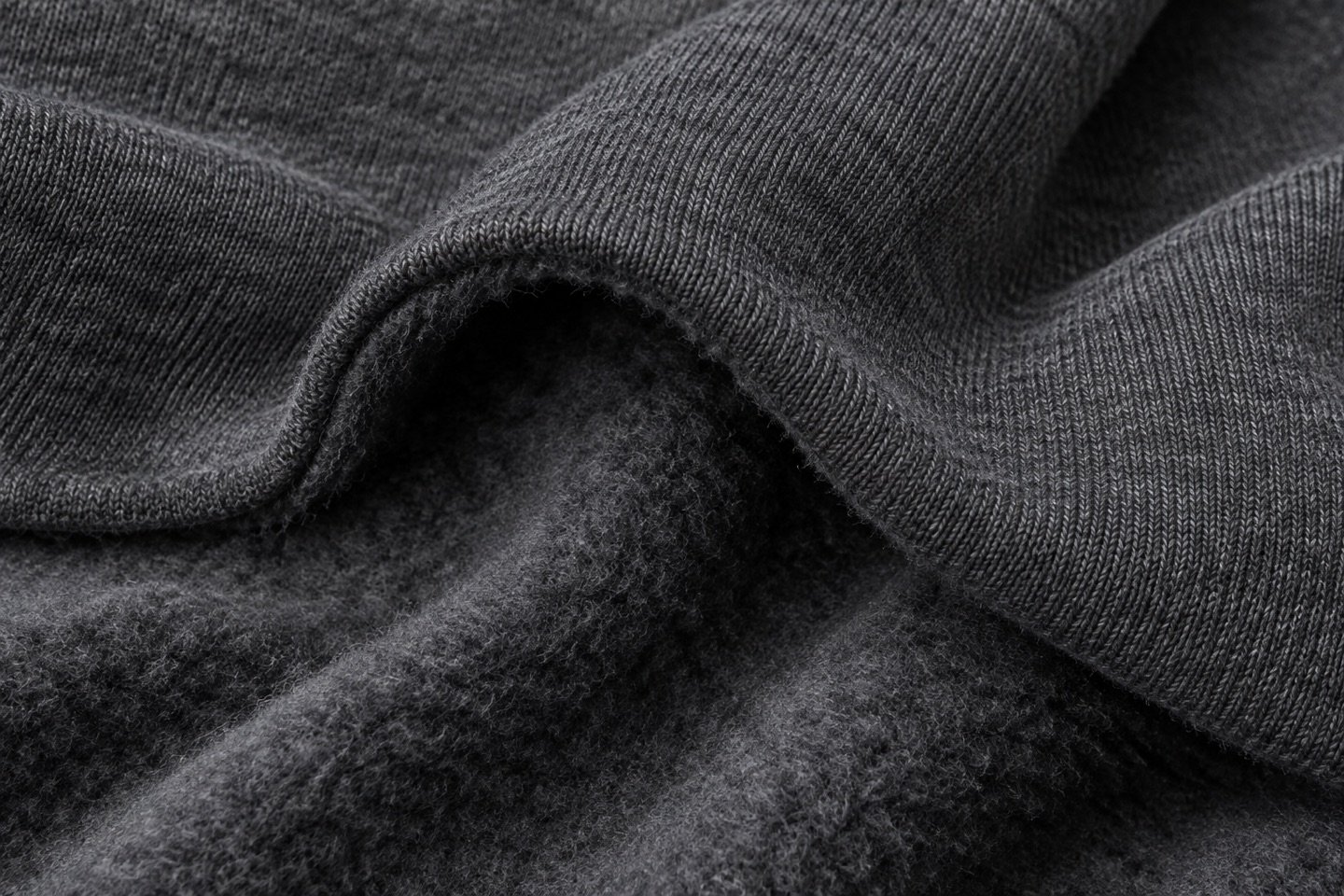
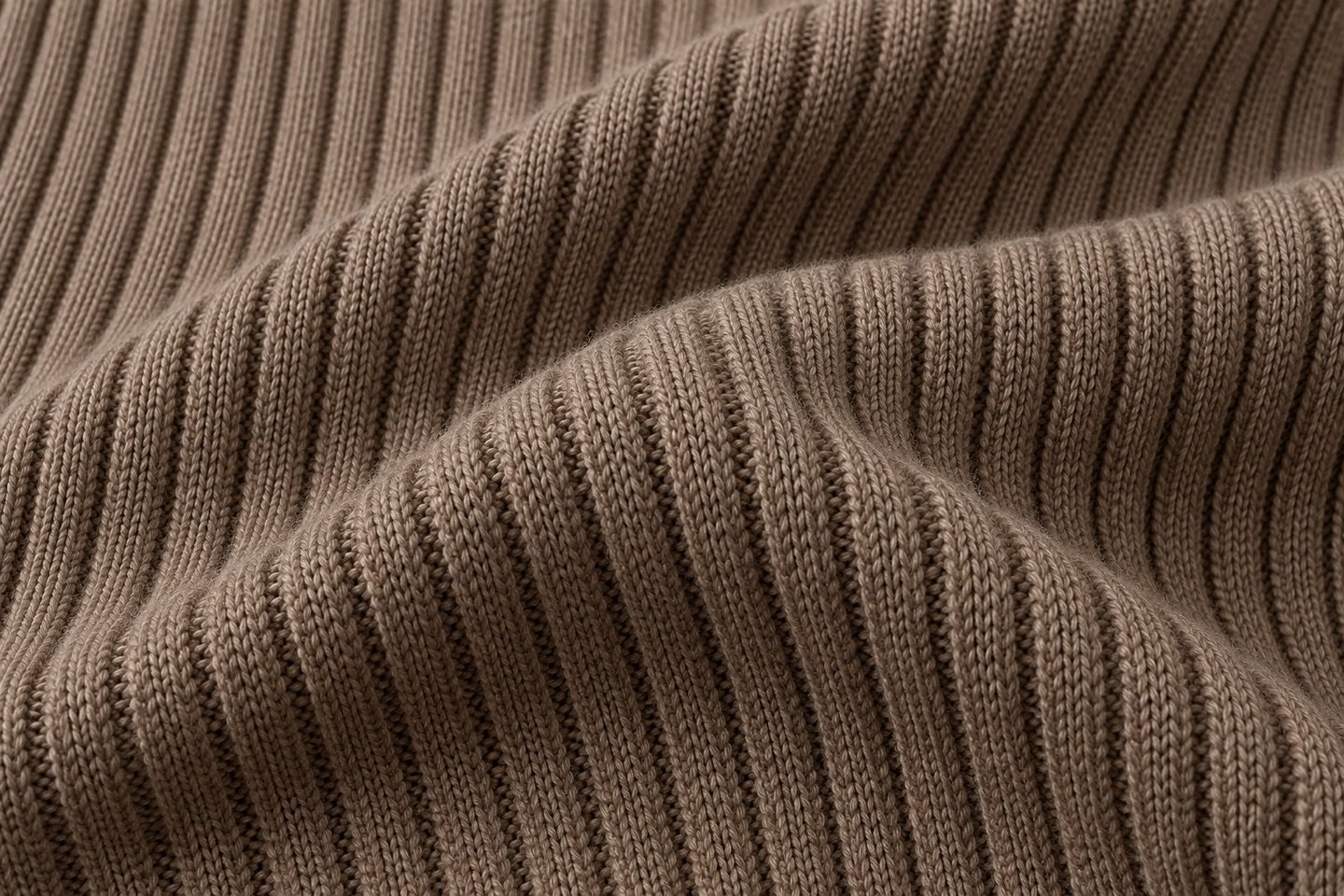
Before you confirm your fabric order.
For hoodie and sweatshirt fabrics, review the face and reverse of the approved sample together. Specify French terry or the relevant fleece construction and state whether brushing is included. Share the intended garment wash, print or embroidery requirements before bulk release, along with the usable width and agreed quality checks.
A coordinated order for hoodie and sweatshirt fabrics should identify body material, cuffs, waist rib and any neck components separately. Compare their colour and handle as one garment set. List each shade and component quantity, then explain whether the production programme requires one delivery or scheduled repeat releases.
For testing terminology, consult the AATCC testing and standards resources. Agree the actual methods and acceptance criteria for your fabric with the supplier.
Hoodie and sweatshirt fabrics: what should the brief include?
Specify the desired reverse surface, including whether you want visible loopback or a brushed finish. Identify the garment weight, composition and body you want to compare. List matching rib cuffs, hem bands and other components separately from the body fabric.
How should you approve hoodie and sweatshirt fabrics?
Review the finished fabric against the required handle and agreed wash performance. Compare body fabric and rib in the intended shade, and record the component specifications together. If several garment styles share one article, identify their combined fabric quantity without losing the colour breakdown.
Turn garment requirements into a fabric enquiry
Give quantities in the unit your buying team uses and explain any consumption assumptions. Separate each colour and material component. Share the first required delivery and whether the programme involves repeat releases. This allows sampling and quotation requirements to be discussed against a practical purchasing schedule.
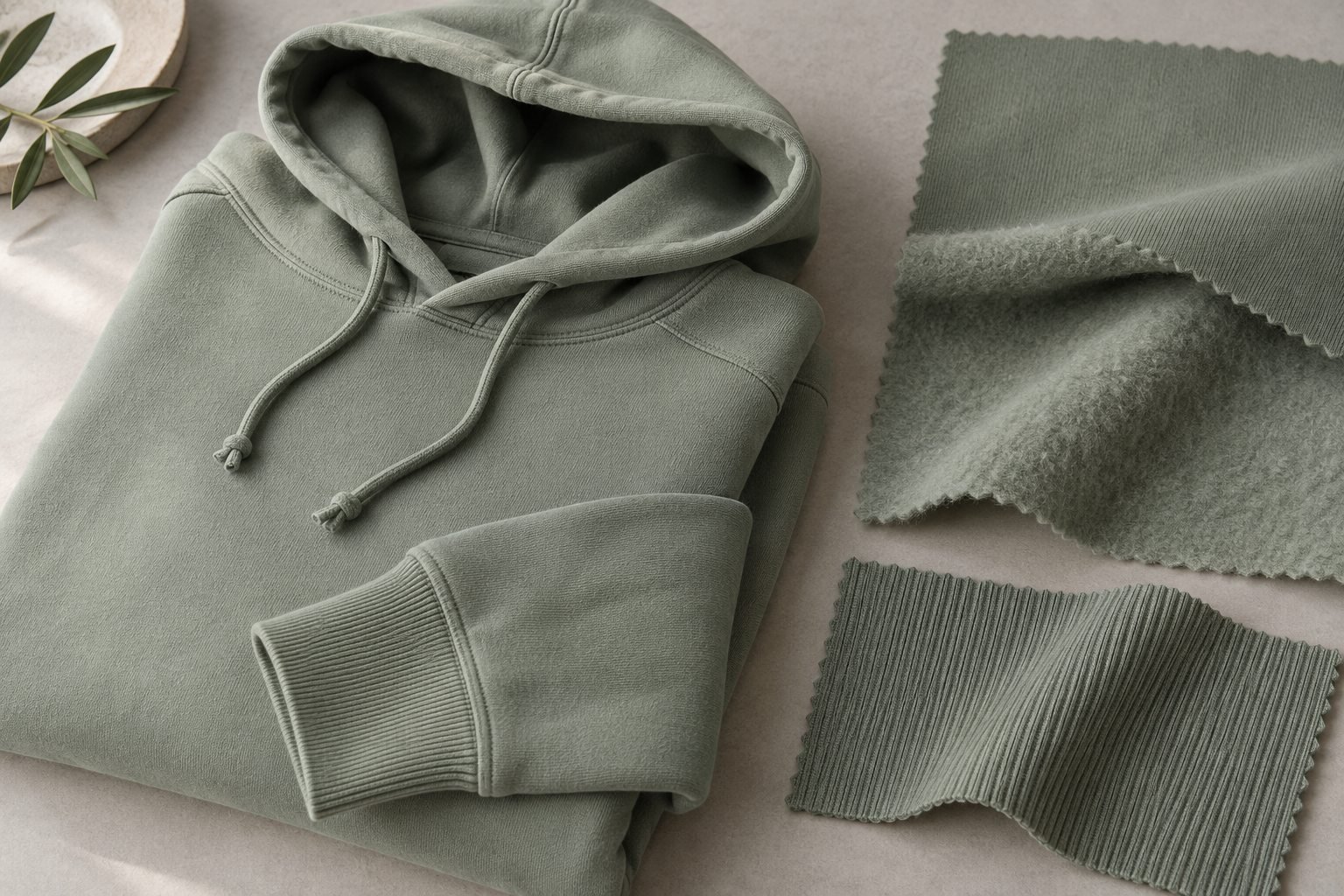
Illustrative fabric and industry references. Approve physical samples and order-specific specifications.
Plan your next bulk fabric order.
Send your fabric specification, quantity by colour and destination. We will review sampling, production and delivery requirements.